
Energy monitoring for schools, campuses and education institutions.
Dexvron helps education leaders manage energy waste across changing occupancy, term schedules, classrooms, laboratories, sports facilities and campus plant while improving sustainability evidence.
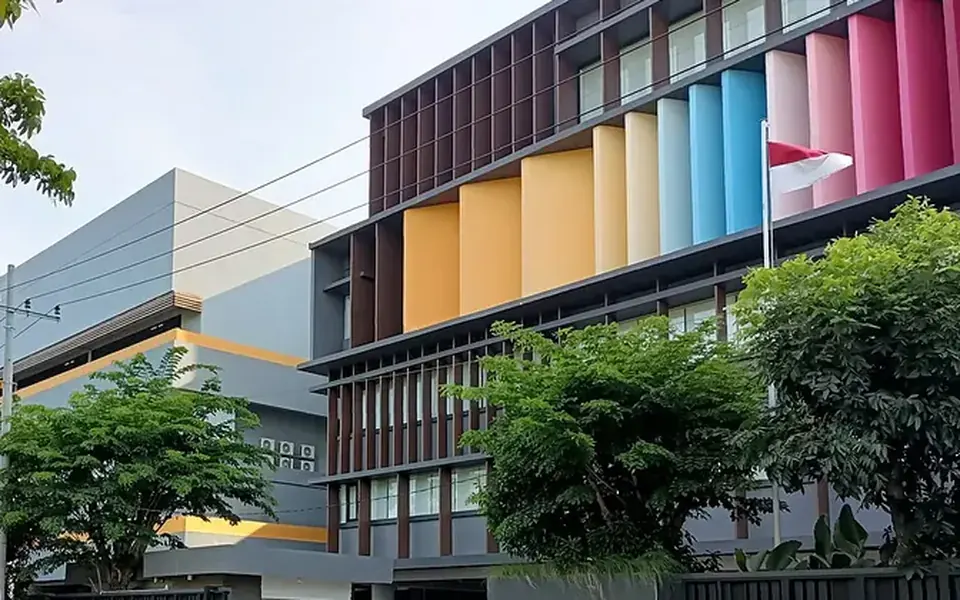
Education operating pain points Dexvron helps clarify.
Schools and education institutions need practical energy visibility across buildings that are used differently by term, timetable, sport, events and community access.
Term and holiday schedules
Plant and lighting can keep running when buildings are empty or operating in holiday mode.
Mixed building loads
Classrooms, labs, halls, pools and administration areas often have very different energy profiles.
Budget pressure
Energy waste competes with education priorities, so savings need a clear business case.
Community reporting
Measured reductions can support sustainability commitments and leadership reporting.
Schedule exceptions
Find equipment and buildings consuming energy during holidays, weekends or low-occupancy periods.
Campus benchmarking
Compare buildings, campuses or facility types to identify the strongest first opportunities.
Reporting evidence
Translate measured energy reduction into sustainability, budget and leadership reporting inputs.
Start with one campus, building or representative bill.
Dexvron can help prioritise where monitoring and advisory support will produce the clearest cost, carbon and operational evidence.
Common questions before an Energy Waste Opportunity Review.
Do we need monitoring installed first?
No. Dexvron can start with a representative bill, site profile, interval data or operational issue, then recommend whether monitoring is the right next step.
What will the review identify?
The review looks for term-schedule waste, after-hours use, building-by-building variance, HVAC and specialist facility loads, and the reporting evidence needed for leadership decisions.
How does AI-enabled optimisation help?
AI-assisted analysis supports anomaly detection, load profiling and benchmarking so teams can focus on the sites, circuits and assets most likely to matter.
Can this support ESG or ASRS reporting?
Yes. Measured energy reductions can become clearer inputs for carbon, ESG, ASRS and executive reporting when actions and outcomes are tracked properly.