Energy monitoring for restaurants, QSR and food service portfolios.
Dexvron helps operators benchmark sites, identify abnormal loads and reduce energy waste across refrigeration, HVAC, cooking equipment, lighting and trading-hour exceptions.
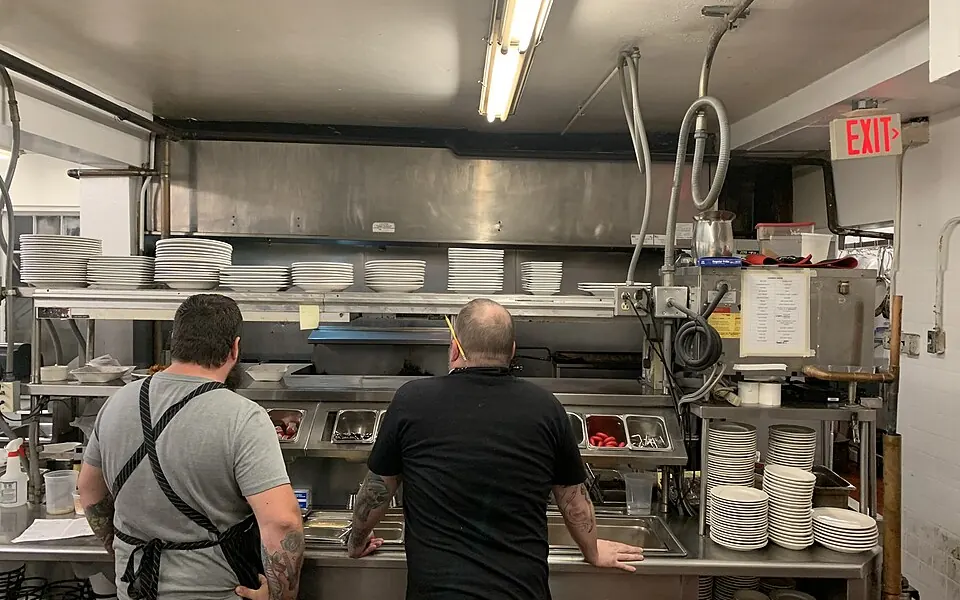
Restaurant and QSR operating pain points Dexvron helps clarify.
Restaurant operators need consistent trading conditions while controlling repeated energy waste across many small but energy-intensive sites.
Refrigeration drift
Cabinets, cool rooms and freezer systems can quietly become high-runtime assets.
Trading-hour exceptions
Lighting, HVAC and preparation equipment may run before opening, after close or during low demand.
Store benchmarking
Similar stores can reveal outliers quickly when energy is normalised by format and hours.
Maintenance triage
Energy profiles can help prioritise which stores, circuits or assets need attention first.
Refrigeration visibility
Spot drift, abnormal runtime and energy patterns that point to maintenance or control issues.
Trading-hour exceptions
Detect equipment operating before opening, after close or outside expected schedules.
Store benchmarking
Compare similar restaurants to find the sites most likely to return savings first.
Make multi-site restaurant energy exceptions easier to see.
Dexvron uses anomaly detection, load profiling, baseload analysis and portfolio benchmarking to focus attention on the stores, circuits and operating patterns that need action.
Common questions before an Energy Waste Opportunity Review.
Do we need monitoring installed first?
No. Dexvron can start with a representative bill, site profile, interval data or operational issue, then recommend whether monitoring is the right next step.
What will the review identify?
The review looks for refrigeration drift, trading-hour exceptions, abnormal HVAC or cooking loads, store-to-store variance and quick wins that can be governed across a restaurant portfolio.
How does AI-enabled optimisation help?
AI-assisted analysis supports anomaly detection, load profiling and benchmarking so teams can focus on the sites, circuits and assets most likely to matter.
Can this support ESG or ASRS reporting?
Yes. Measured energy reductions can become clearer inputs for carbon, ESG, ASRS and executive reporting when actions and outcomes are tracked properly.