
Industrial energy monitoring for process loads, peaks and asset performance.
Dexvron helps manufacturers and processors understand where energy is used, where demand peaks are created, and which assets or operating patterns are driving avoidable cost.
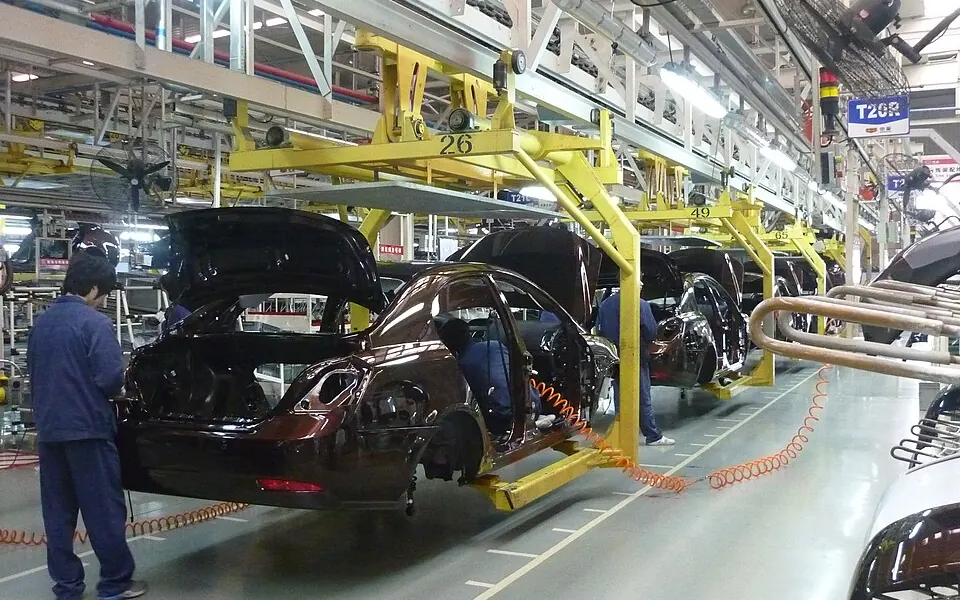
Manufacturing operating pain points Dexvron helps clarify.
Manufacturers need energy insight that respects production reality, maintenance constraints and the commercial impact of demand, downtime and waste.
Demand peaks
Equipment start-up, process sequencing and shift changes can create avoidable tariff exposure.
Idle baseload
Compressed air, pumps, conveyors and support systems may continue consuming energy when production is idle.
Process visibility
Sub-circuit data helps separate production energy from services, utilities and avoidable waste.
GHG evidence
Measured reductions can strengthen cost, carbon, ESG and ASRS-ready reporting inputs.
Demand peak analysis
Find avoidable demand events and process sequences that may increase tariff or network charges.
Idle baseload detection
Separate productive load from equipment running while production is idle, paused or offline.
Asset drift signals
Use monitoring to identify compressed air, refrigeration, HVAC or process equipment moving outside expected patterns.
Translate industrial energy data into operational decisions.
Dexvron supports operations, maintenance, finance and sustainability teams with evidence for savings, production-linked energy performance, GHG reduction and ESG or ASRS reporting.
Common questions before an Energy Waste Opportunity Review.
Do we need monitoring installed first?
No. Dexvron can start with a representative bill, site profile, interval data or operational issue, then recommend whether monitoring is the right next step.
What will the review identify?
The review looks for demand peaks, idle baseload, compressed air and process-load behaviour, production schedule effects and the data needed to prioritise operational or maintenance actions.
How does AI-enabled optimisation help?
AI-assisted analysis supports anomaly detection, load profiling and benchmarking so teams can focus on the sites, circuits and assets most likely to matter.
Can this support ESG or ASRS reporting?
Yes. Measured energy reductions can become clearer inputs for carbon, ESG, ASRS and executive reporting when actions and outcomes are tracked properly.